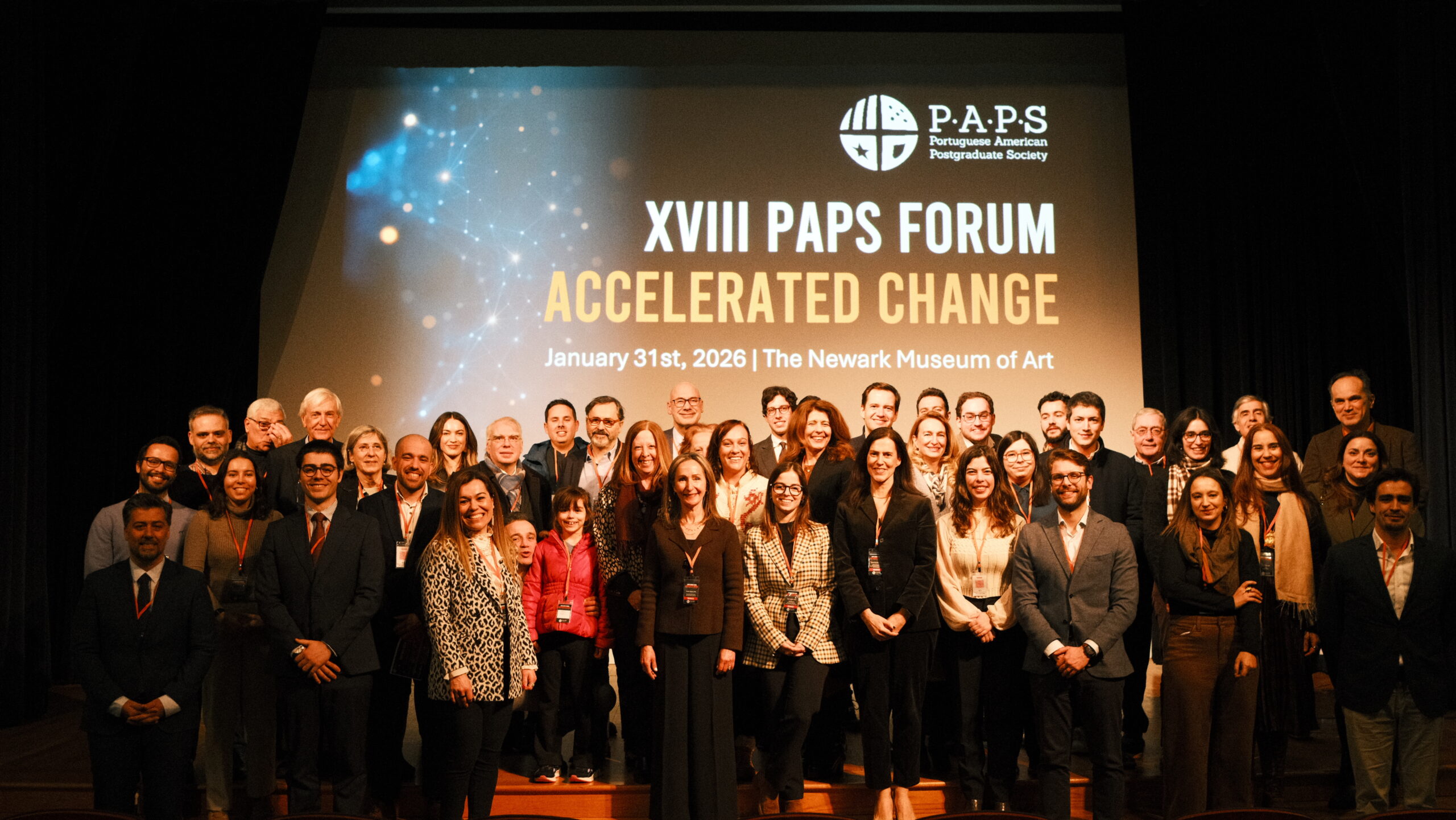
Insights from the XVIII PAPS Forum on science, innovation, global development, artificial intelligence, health, leadership, business, and media
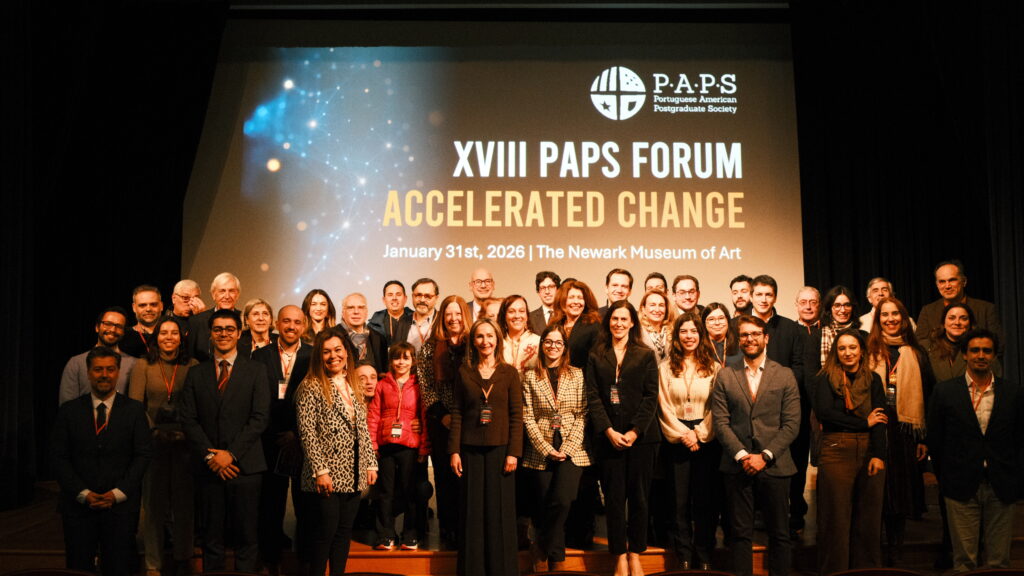
On January 31st, 2026, the Portuguese American Post-Graduate Society (PAPS) hosted the XVIII PAPS Forum – Accelerated Change at The Newark Museum of Art, bringing together leaders from academia, government, science, healthcare, business, and journalism for a full day of reflection and dialogue on the forces reshaping our societies.
The theme of this year’s Forum — Accelerated Change — set the stage for a day of discussions focused on the profound transformations shaping multiple sectors and geographies.
Despite one of the coldest days of the year in Newark, the Forum gathered around 100 participants, with the majority of attendees coming from the PAPS community based in New York and New Jersey, alongside the presence of members from other regions including Boston, Washington DC, Baltimore, and San Francisco.
Opening Session
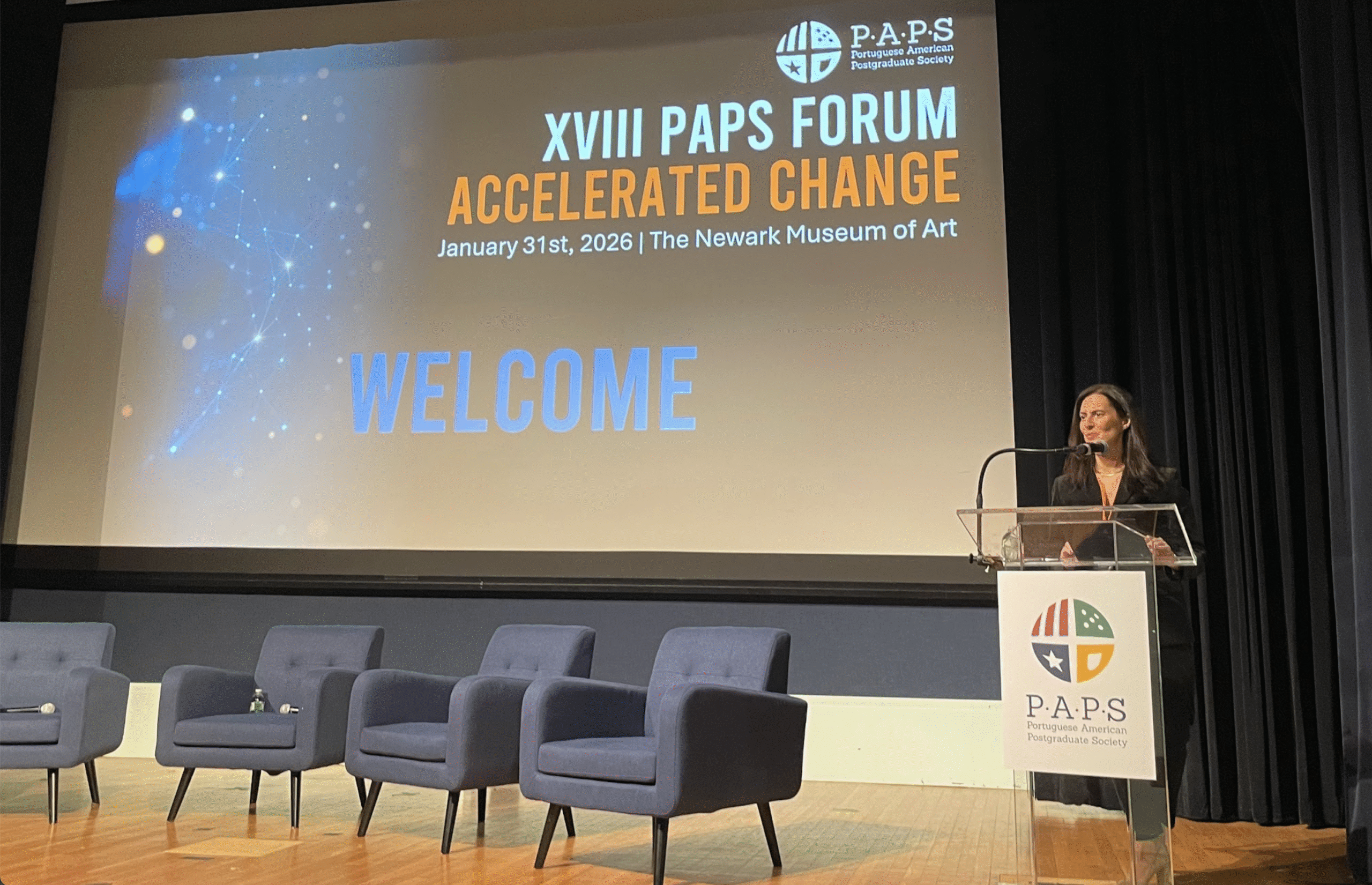
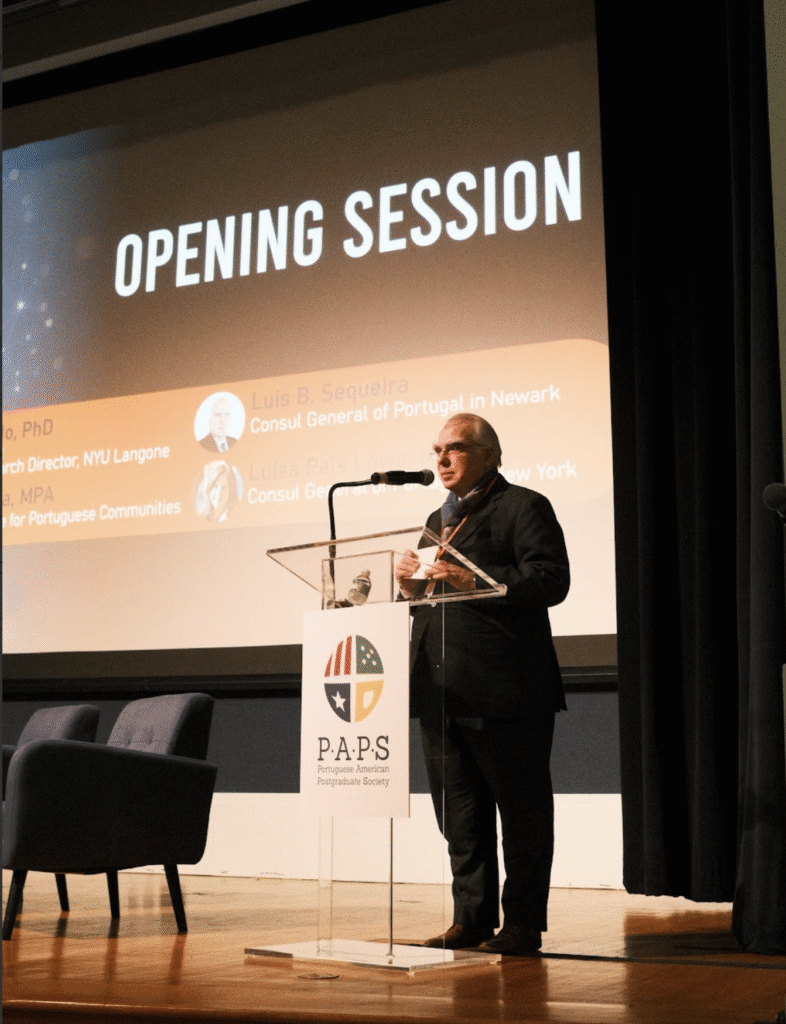
The Forum opened with remarks by Sílvia Curado, PhD, President of PAPS.
In her welcome address, she highlighted the significance of gathering together — particularly under challenging conditions — as a reflection of the commitment of the community.
She introduced the theme of Accelerated Change, noting that while change has always been part of the human story, what distinguishes the present moment is the pace at which it occurs. That pace — increasingly fast — is, in itself, a profound form of change, affecting institutions, professions, and global systems in ways that are still unfolding.
She emphasized that throughout the day, this theme would be explored across multiple domains — science, innovation, education, health, leadership, and public policy — all of which are being profoundly reshaped in parallel.
She also reflected on the experience of organizing the Forum, noting how strongly the Portuguese community supports one another, and how this process revealed a community that comes together when it matters — often stronger than it realizes.
Welcoming remarks were delivered by:
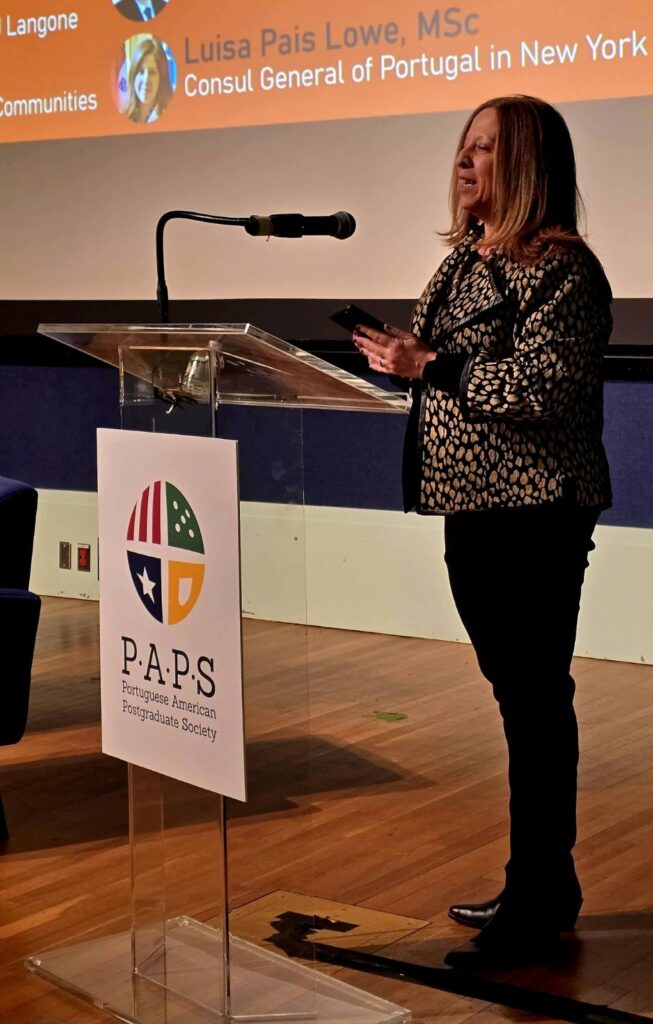
Luís B. Sequeira, Consul General of Portugal in Newark, who welcomed the PAPS community to Newark for this official event. He highlighted the value of the PAPS network and challenged PAPS to increase its presence in the New Jersey area. Luísa Pais Lowe, Consul General of Portugal in New York highlighted the curiosity and passion of the PAPS community, which she has come to know well and has consistently supported over the years.
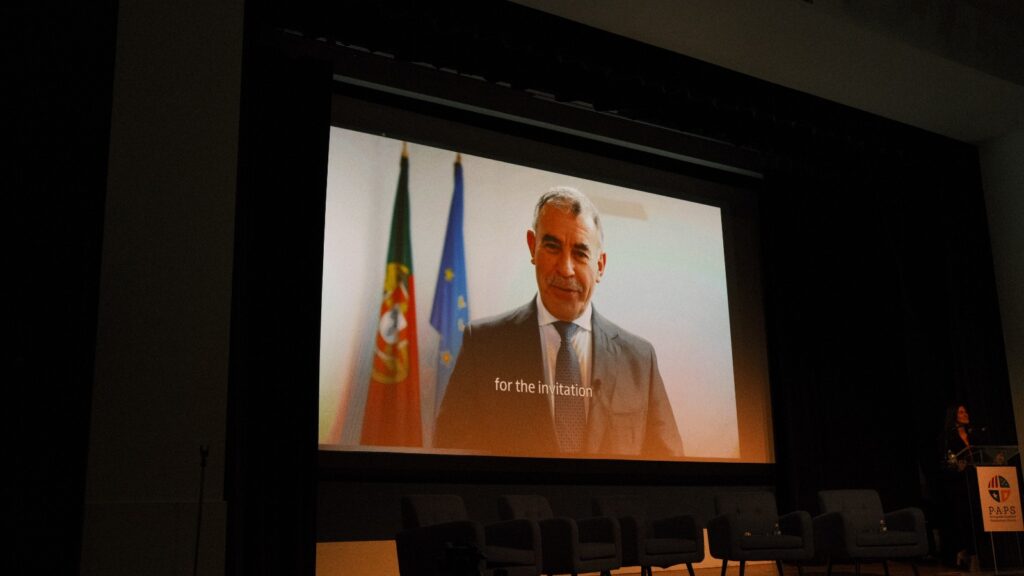
Participants also heard a video message from the Secretary of State for Portuguese Communities, Emídio Sousa, who highlighted the relevance of the Forum’s theme.
In his remarks, he reflected on the rapid pace of change across technological and geopolitical domains, noting how developments that were unimaginable a few decades ago — in communication, mobility, and global connectivity — are now part of everyday life.
He emphasized the strength of the Portuguese diaspora as a global network of talent, highlighting the growing international impact of Portuguese scientists, researchers, and professionals.
Referring to the concept of “Portugal Nação Global,” he framed the diaspora as a key strategic asset and invited participants to remain engaged in shaping Portugal’s future within a global context.
Session 1 – Global Development
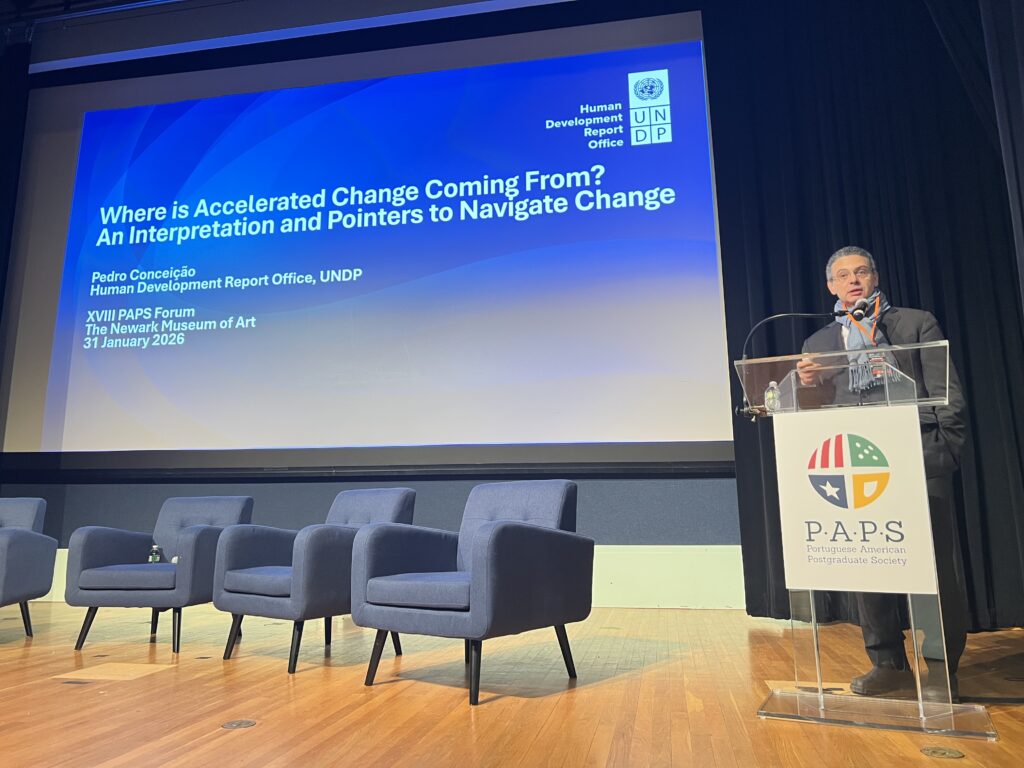
Speaker: Pedro Conceição, PhD – Director of the Human Development Report Office, United Nations Development Programme
Moderator: André Forjaz, MSc
Pedro Conceição opened the first session by engaging directly with the theme of Accelerated Change, framing it through the lens of global development, political dynamics, and societal perceptions.
Drawing on the United Nations Development Programme Human Development Report 2023–2024, titled Breaking the Gridlock: Reimagining Cooperation in a Polarizing World, he began by identifying key global trends that help explain both the reality, and the perception, of accelerated change.
Since the COVID-19 pandemic, there has been a noticeable increase in feelings of insecurity, accompanied by a decline in trust in others and growing support for political extremes. At the same time, support for democracy as a system of governance remains consistently high. In other words, there might be a growing disconnect between support for democratic ideals and support for democratic practice.
As a result, democratic norms and institutions have eroded to levels last observed in the mid-1980s, and two-thirds of countries have experienced rising polarization.
A central insight of his presentation focused on misperceptions — not only about facts, but about what others believe.
Based on perception studies, Pedro Conceição highlighted that individuals often misjudge the beliefs of other groups, assuming greater disagreement than actually exists. In many cases, different groups may agree more than they think, but incorrect perceptions reinforce polarization.
He identified two key opportunities to navigate accelerated change:
- Correcting misperceptions about factual realities
- Correcting misperceptions about what groups believe others believe
These insights suggest that improving collective understanding could play a powerful role in reducing polarization and enabling cooperation.
He also addressed global sustainability, noting that it is an area where there is often more consensus than perceived, and that bridging perception gaps could unlock more proactive global action.
In closing, reflecting on uncertainty, technological transformation, and questions of agency, he invoked Václav Havel’s definition of hope:
“Hope is an ability to work for something because it is good, not just because it stands a chance to succeed.”
Session 2 – The Future of Knowledge
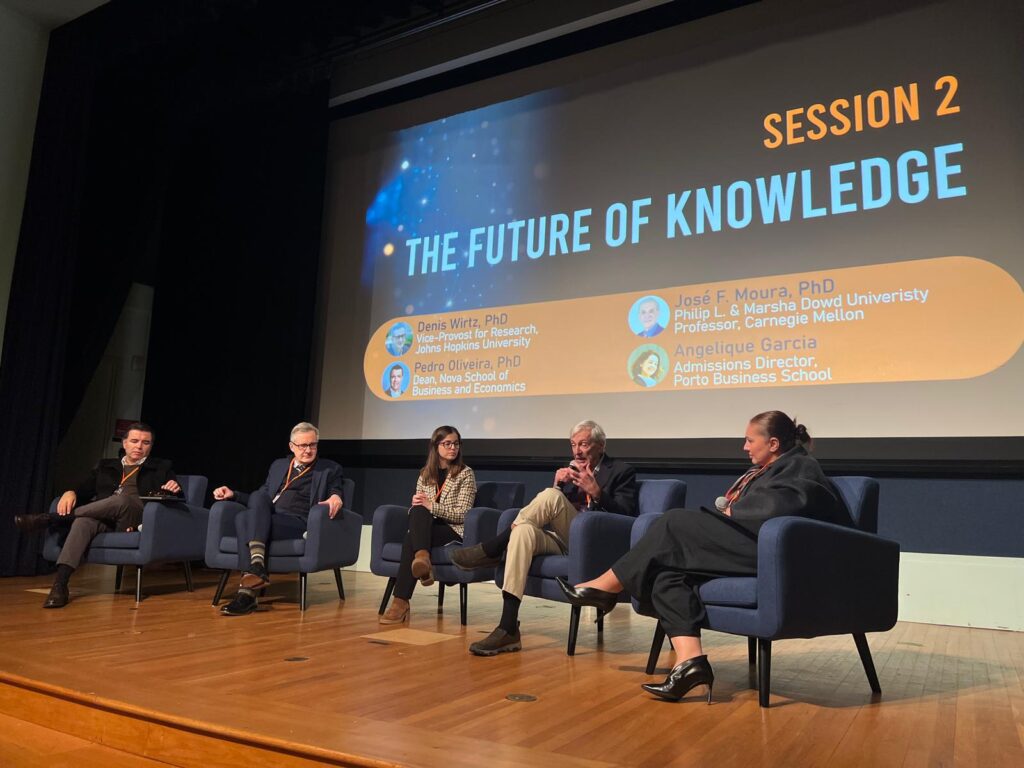
Speakers/Panelists: Denis Wirtz, PhD – Vice-Provost for Research, Johns Hopkins University; Pedro Oliveira, PhD – Dean, Nova School of Business and Economics; José M. F. Moura, D. Sc. (Carnegie Mellon University); Angelique Garcia (Porto Business School)
Moderator: Inês Godet, PhD – PAPS Board Director
This session explored how artificial intelligence is reshaping knowledge production, scientific discovery, and higher education.
Denis Wirtz presented groundbreaking work from his laboratory using artificial intelligence to reconstruct the three-dimensional microstructure of human tissues at a microscopic level, with a level of precision previously inaccessible.
These advances are already generating new insights into diseases such as pancreatic cancer, enabling a deeper understanding of disease progression and opening new avenues for diagnosis and treatment.
He also highlighted the broader role of AI in improving clinical pathology, demonstrating how computational tools can enhance diagnostic accuracy and efficiency.
Beyond research, Denis Wirtz emphasized the importance of international collaboration, describing ongoing efforts to build bridges between Johns Hopkins University and Instituto Superior Técnico, and highlighting the talent and potential of Portuguese students within global academic networks.
Pedro Oliveira’s intervention focused on the evolving role of universities in a rapidly changing world.
He began by questioning whether universities are adequately preparing students for the realities of today’s job market, noting that younger generations bring different expectations, learning styles, and approaches to work.
He discussed the transformative impact of artificial intelligence on employment and emphasized the need for institutions to adapt proactively.
As part of this adaptation, he presented the “sandbox” model implemented at Nova School of Business and Economics — an approach that allows the institution to experiment with new programs, methodologies, and formats at a small scale before scaling them across the broader academic system.
The panel discussion addressed a series of critical questions:
- Is AI facilitating or harming the learning process?
- Can AI improve the learning experience?
- Does AI compromise fairness in admissions and evaluation?
- Does AI reduce the ability to think creatively?
The overall consensus reflected a nuanced perspective:
AI is both an opportunity and a challenge.
While it can enhance access to knowledge and accelerate learning, it also raises important concerns regarding academic integrity, critical thinking, and the development of independent reasoning skills.
Participants emphasized that universities must adapt by focusing on skills and values that AI cannot replace, including critical thinking, ethical reasoning, creativity, and the ability to frame meaningful questions.
AI is merging education and research, students are learning with the tools that create knowledge. Teaching becomes less content delivery and more structuring thinking, corroborating understanding, building strategic and critical judgment.
Session 3 – Health AI
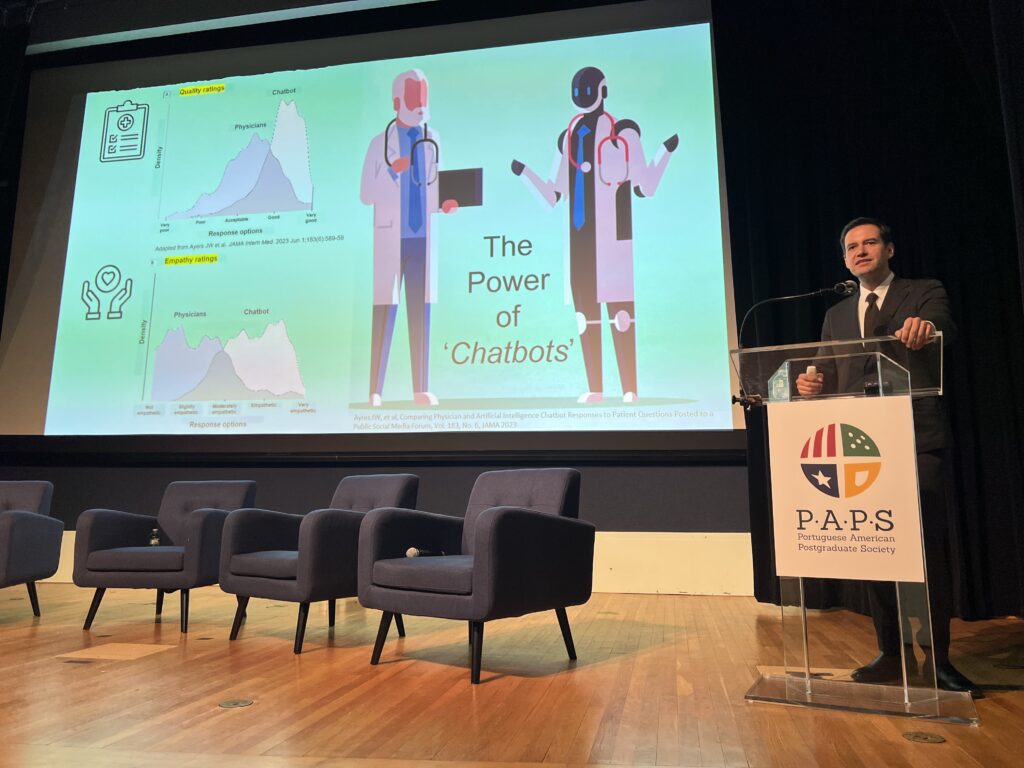
Speaker: Ricardo Baptista Leite, MD – CEO, HealthAI
Ricardo Baptista Leite delivered a comprehensive overview of how artificial intelligence is already reshaping healthcare systems, clinical practice, and public health governance.
He described how AI tools — including chatbots, virtual assistants, and clinical scribes — are increasingly supporting, and in some cases replacing, elements of direct clinical interaction.
These technologies have the potential to significantly improve efficiency, reduce administrative burden, and enhance access to care, but they also raise complex questions regarding regulation, safety, trust, and accountability.
Ricardo Baptista Leite emphasized that the integration of AI into healthcare is not a future scenario — it is already happening — and that systems must adapt proactively rather than reactively.
He introduced the work of HealthAI, which operates as a global public directory of registered AI solutions in health and as a Global Early Warning System, helping to identify risks, monitor developments, and promote responsible use of AI in healthcare.
A central theme of his talk was the need for global coordination and governance, given that regulatory frameworks differ significantly across countries.
He highlighted several priorities:
- building systems designed with AI integration in mind
- strengthening inter-agency coordination
- investing in institutional capacity
- promoting AI literacy across society
He stressed that the future of healthcare will depend not only on technological innovation, but on the ability of systems to adapt structurally and responsibly.
Session 4 – Science and Innovation: AI²
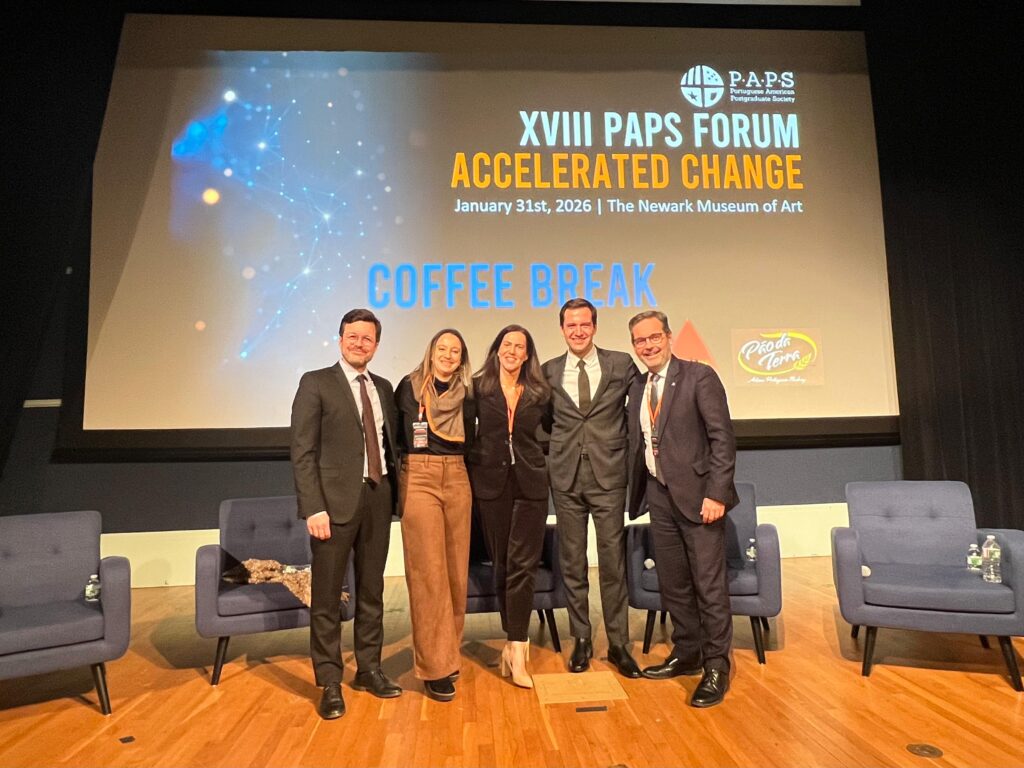
Speakers/ Panelists: Helena Canhão, MD, PhD – Secretary of State for Science and Innovation; João Xavier, PhD – Memorial Sloan Kettering Cancer Center; Sofia de Oliveira, PhD – Albert Einstein College of Medicine; Nuno Mendonça, PhD, MBA – University of Coimbra; Ricardo Baptista Leite, MD – CEO, HealthAI
Moderator: Sílvia Curado, PhD – PAPS President
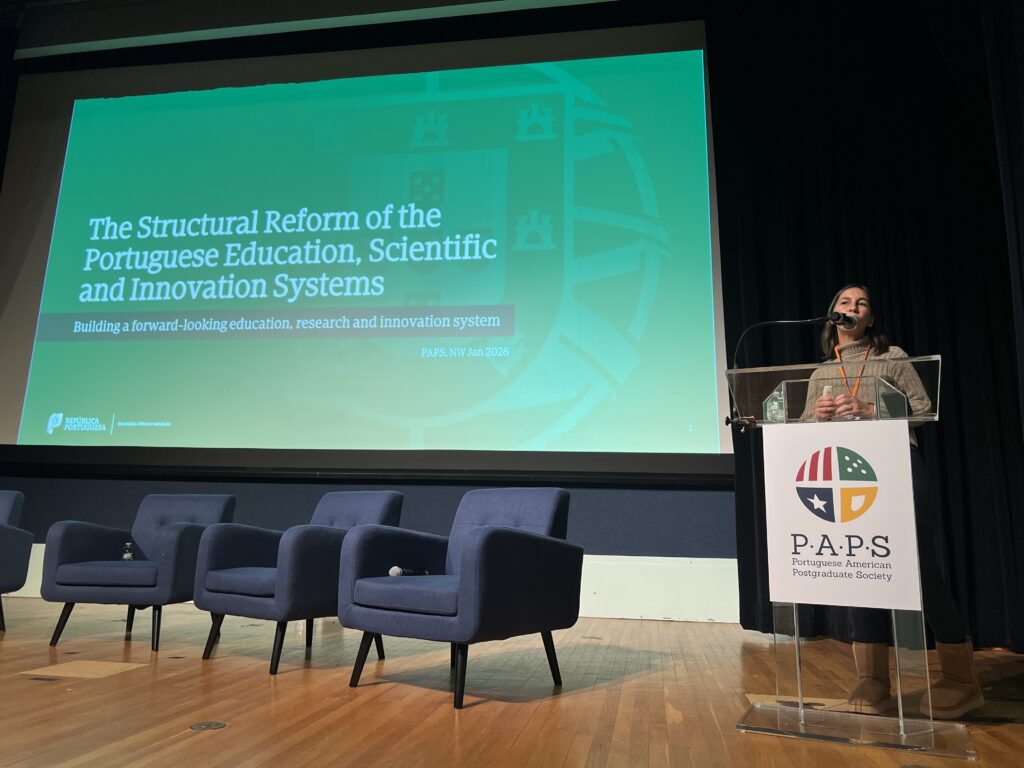
Helena Canhão presented the vision behind an ambitious structural reform of Portugal’s education, research, and innovation systems, aimed at strengthening the country’s ability to generate knowledge and translate it into economic and societal value.
The reform seeks to build a forward-looking system capable of adapting continuously to technological and societal change, while ensuring equal access to high-quality education.
She began by identifying structural challenges, including:
- fragmented governance
- limited coordination between institutions
- complex and disconnected systems
- unstable funding structures
Despite strong scientific performance — including above-average international co-publications — Portugal continues to face challenges in translating research into economic impact.
A central pillar of the reform is the creation of AI², integrating the Fundação para a Ciência e a Tecnologia and the Agência Nacional de Inovação.
This new structure aims to:
- strengthen links between research and innovation
- improve governance and accountability
- enable multi-year funding cycles
- align national strategy with international frameworks
The short talks showcased scientific work being carried out by Portuguese scientists in the United States:
João Xavier presented research on the gut microbiome in cancer treatment, showing how loss of microbiome diversity is associated with increased mortality.
Sofia de Oliveira discussed inflammation and immune response, using zebrafish models to study neutrophil behavior in real time.
Nuno Mendonça provided an overview of the University of Coimbra’s innovation ecosystem, emphasizing technology transfer, industry collaboration, and the valorization of research.
The panel discussion addressed several structural challenges in Portugal:
Participants highlighted the lack of private (non-public) investment in research, which limits the ability to scale innovation and convert scientific excellence into economic value.
They also discussed competitiveness and insufficient collaboration between institutions, which can lead to fragmentation and inefficiencies across the research ecosystem.
The structure of academic careers in Portugal was identified as another constraint, particularly in terms of stability, attractiveness for talent, and long-term development pathways.
A strong emphasis was placed on the importance of long-term funding stability, especially to support early-career researchers and allow for more ambitious and innovative projects. In this context, participants also highlighted the need for research and innovation policies to be designed with long-term continuity, ensuring stability beyond political cycles, which can otherwise introduce disruption and limit sustained progress.
The discussion also explored how AI may reshape the role of physicians, medical training, and healthcare education, requiring a rethinking of both curricula and professional roles.
Finally, participants highlighted the importance of digital organization and system integration, as foundational elements for enabling innovation and effective use of emerging technologies.
Session 5 – AI, Leadership & Business
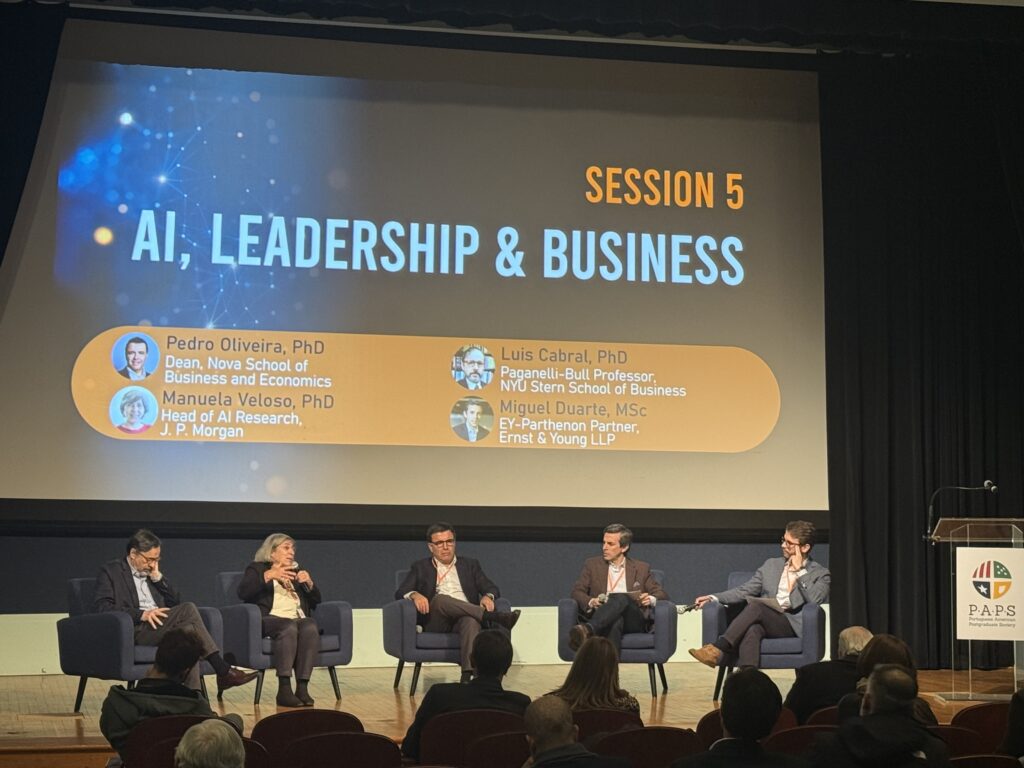
Speakers/Panelists: Pedro Oliveira, PhD – Nova SBE; Manuela Veloso, PhD – J.P. Morgan; Luís Cabral, PhD – NYU Stern; Miguel Duarte – EY-Parthenon
Moderator: Ricardo Silva e Sousa, MBA
Pedro Oliveira opened the session with a reflection on user-driven innovation, illustrating how individuals closest to problems often generate the most impactful solutions.
He presented the example of a visually impaired individual who developed an application to help him “see,” demonstrating how innovation can emerge from lived experience.
He then introduced the idea that we may be entering an “era of abundance of intelligence,” where cognitive capabilities — increasingly augmented by AI — become a central driver of economic growth.
The panel discussion explored how AI is transforming leadership and organizations.
Manuela Veloso emphasized the importance of distinguishing between myth and reality, identifying written records and documentation as one of the first areas where AI adoption will become widespread.
Pedro Oliveira highlighted the importance of engaging proactively with AI, noting that disruptive technologies have historically been met with skepticism but ultimately reshaped societies.
Luís Cabral described AI as a general-purpose technology, capable of generating a wide range of applications that are difficult to predict.
Drawing on historical parallels, he highlighted patterns of rapid technological improvement, cost reduction, and job displacement, while emphasizing that economies tend to adapt over time.
Miguel Duarte pointed to the current gap between AI initiatives and measurable business outcomes, noting that a key breakthrough will occur when companies are able to link AI adoption directly to financial performance.
He also emphasized the importance of data access as a key competitive advantage.
The discussion also explored differences between innovation cultures in the United States and Europe, particularly the contrast between bottom-up and top-down approaches.
Panelists emphasized that innovation thrives when individuals are empowered to experiment, and when systems create enabling conditions.
The session concluded with reflections on education, highlighting the sandbox approach as a way to explore and define the future of learning in an AI-driven world.
Session 6 – Inside the Fast Newsroom
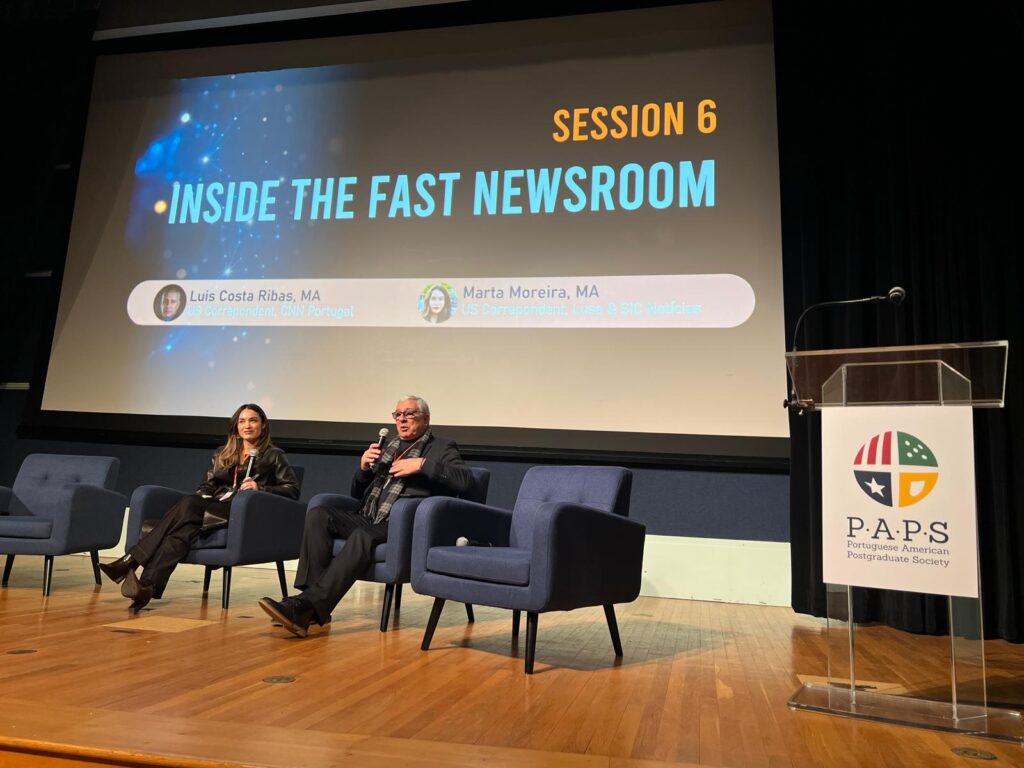
Speakers/Panelists: Luís Costa Ribas, MA – CNN Portugal,in Conversation with Marta Moreira, MA – Lusa & SIC Notícias
Moderator: Brian Miguel,BSc
The final session of the Forum offered a reflection on the rapid transformation of journalism and the media landscape, drawing on the experience of two Portuguese correspondents working in the United States.
Luís Costa Ribas, a long-time international correspondent, structured his talk as a reflection on how journalism has evolved over the past decades. While change has always been part of the profession, he noted that the pace of transformation has accelerated dramatically, largely driven by technological change and the rapid accumulation of events in today’s information ecosystem.
Technological advances have made news production and broadcasting significantly more accessible than in previous decades. What once required complex infrastructure can now often be done with minimal equipment. At the same time, this transformation has increased the pressure on journalists, who are now frequently expected to perform multiple roles simultaneously.
Ribas emphasized that this acceleration also creates challenges for the core practices of journalism. The speed of information circulation leaves less time for verification, reflection, and contextualization, increasing the risk of errors and misinformation. In parallel, the rise of social media and new communication platforms has transformed the relationship between journalists, audiences, and sources of information.
He also reflected on broader concerns affecting the credibility of journalism today, including disinformation, political pressure, changing media ownership structures, and the erosion of traditional newsroom mentorship structures for younger journalists. These developments raise important questions about how trust in media institutions can be maintained in an increasingly fragmented information environment.
Drawing on historical and philosophical reflections about truth and public discourse—including references to thinkers such as Hannah Arendt—Luís Costa Ribas argued that journalism ultimately depends on the ability to maintain a careful balance between facts, narrative, and public trust.
Marta Moreira complemented this perspective by describing the daily reality faced by many younger correspondents working abroad today. In contrast with earlier newsroom structures, journalists often work independently, managing the full production cycle of their reporting—from gathering footage to editing and broadcasting—sometimes with little institutional support.
She also highlighted how the relationship between the public and journalists has evolved, with journalists now subject to more direct and sometimes difficult feedback, particularly through social media.
Together, their reflections provided participants with a comprehensive and nuanced understanding of the challenges and transformations facing journalism today, highlighting both the opportunities created by technological innovation and the importance of preserving rigorous standards in an increasingly fast-paced information environment.
Closing Remarks
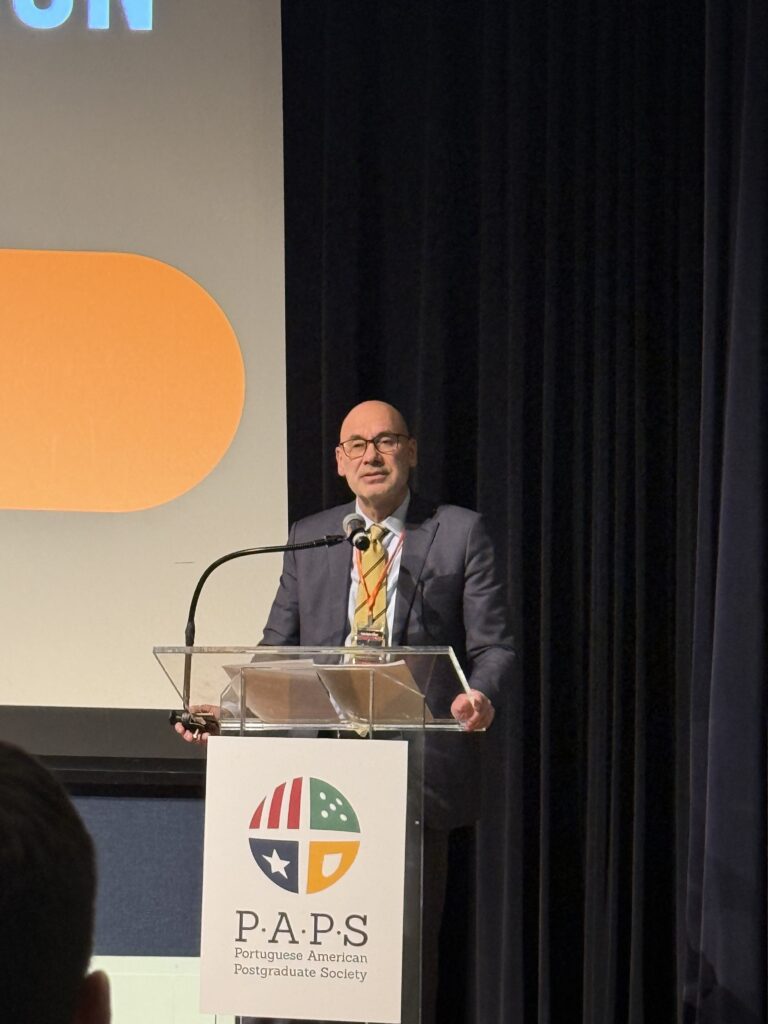
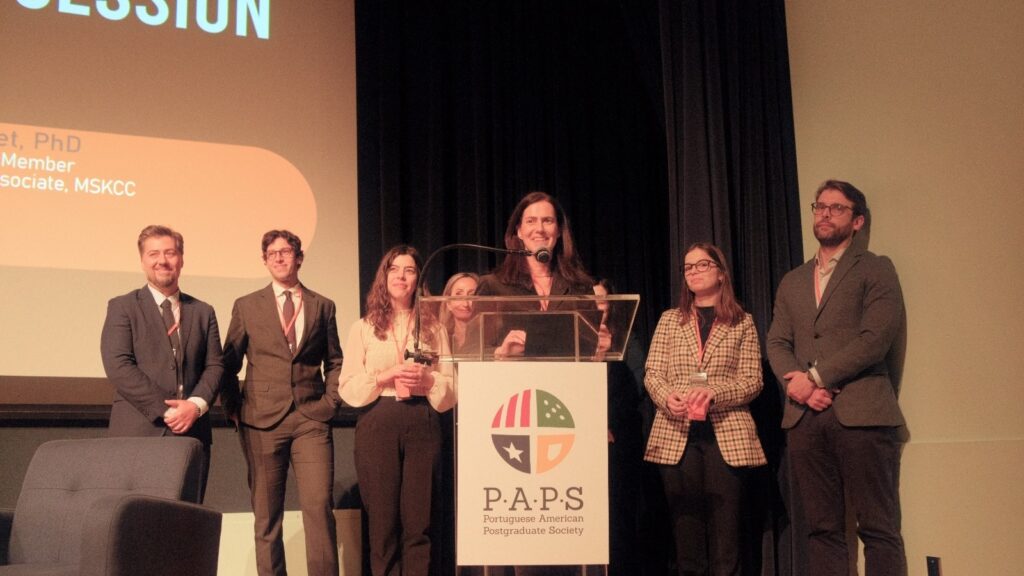
The closing session began with remarks by the Ambassador of Portugal to the United States, who addressed the audience with a message of confidence and perspective, reflecting on his close engagement with the Portuguese community in the United States and the insights gained through that experience.
In closing, Sílvia Curado and Inês Godet thanked the organizing team, speakers, and participants, highlighting that what was experienced throughout the day reflected the core purpose of PAPS: bringing people together, connecting the Portuguese diaspora with Portugal, sharing knowledge, and thinking collectively about the future.
They noted that beyond professional achievements, what stood out was the willingness of participants to engage, contribute, and be present.
They concluded by reflecting that, in times of accelerated change, it is ultimately the human dimension — the people who show up — that makes the difference and expressed the hope that this would not be the end of a conversation, but the continuation of many.
Community and Networking
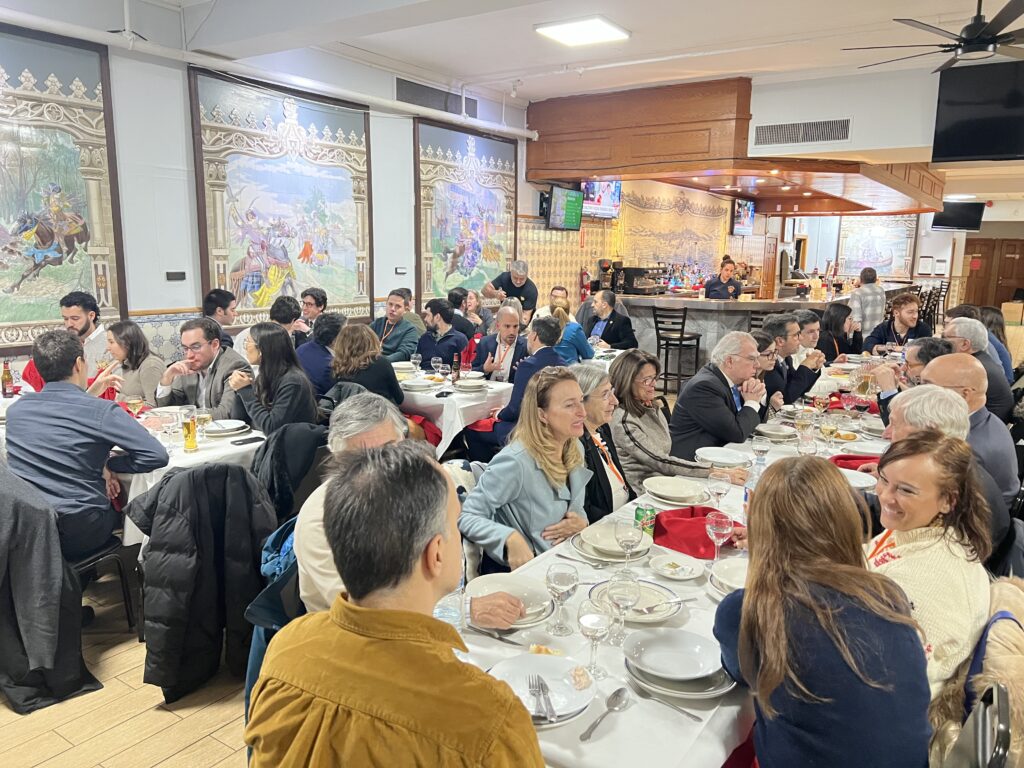
The Forum concluded with a social dinner at the Sporting Clube de Portugal of Newark, where participants experienced a strong sense of community and connection, sharing Portuguese gastronomy in an environment that felt close to home.
Acknowledgements
The support of Portuguese sponsors was reflected throughout the day, with Portuguese coffee and a variety of pastries available, alongside lunch featuring Portuguese sandwiches — creating a distinct sense of Portuguese identity throughout the Forum.
We would like to thank our speakers, participants, sponsors, and organizing committee for their invaluable contribution to the success of the XVIII PAPS Forum.
Partners
The Newark Museum of Art
Nova Business School and Economics
Universidade de Coimbra
Pestana CR7 Times Square
Conselho da Diáspora Portuguesa
Ministério da Educação, Ciência e Inovação
Sponsors
Direção-Geral dos Assuntos Consulares e Comunidades Portuguesas
Fundação para a Ciência e Tecnologia
Hovione
TAP Air Portugal
Sponsors of Coffee & Lunch Breaks
Seabra’s Market
Delta Cafés
Pão da Terra
Teixeira’s Bakery
Arcos Bakery